An independent, in-depth review of the Shop app, Shop Pay, and what mobile shoppers really need to know about safety, features, and the Shopify-powered checkout experience.

Shop.app is the consumer-facing front door to Shopify's checkout network. We break down the moving parts — wallet, tracking, marketplace, and trust signals — so you know exactly what you're using.
Encrypted checkout, PCI-DSS compliance, and tokenized card data give Shop a strong baseline of payment protection.
Aggregates parcels from any retailer, not just Shopify stores — a single inbox for every package you're expecting.
Saved address, card, and shipping data make checkout dramatically faster while keeping sensitive details encrypted.
Discover independent brands across fashion, beauty, home, and tech — vetted through Shopify's merchant network.
Optional Shop Pay Installments split eligible purchases into four interest-free payments via Affirm.
Order confirmations, shipping events, and delivery alerts arrive in real time — no inbox spelunking required.
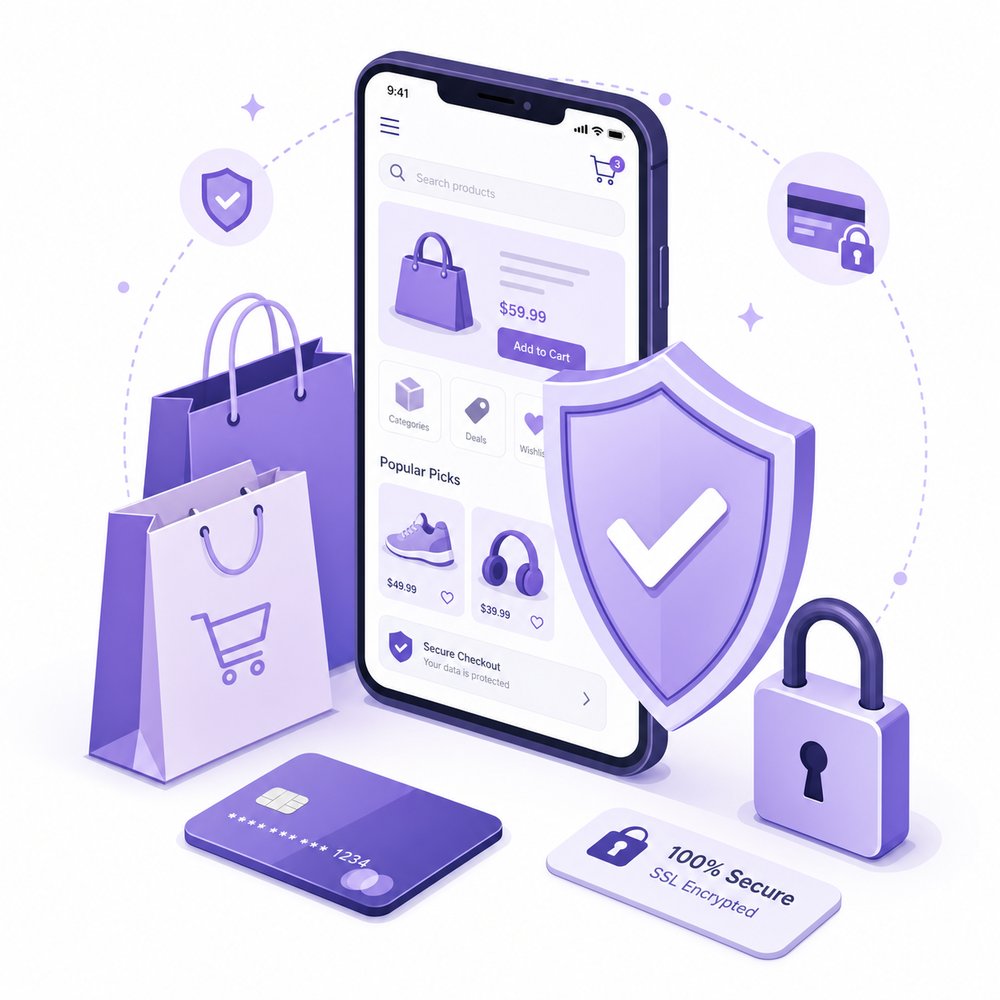
Shop.app inherits Shopify's enterprise-grade security stack — TLS-encrypted connections, tokenized payment storage, and multi-layered fraud screening at checkout. For most everyday shoppers, the trust signals are stronger than typing your card into a random merchant site.
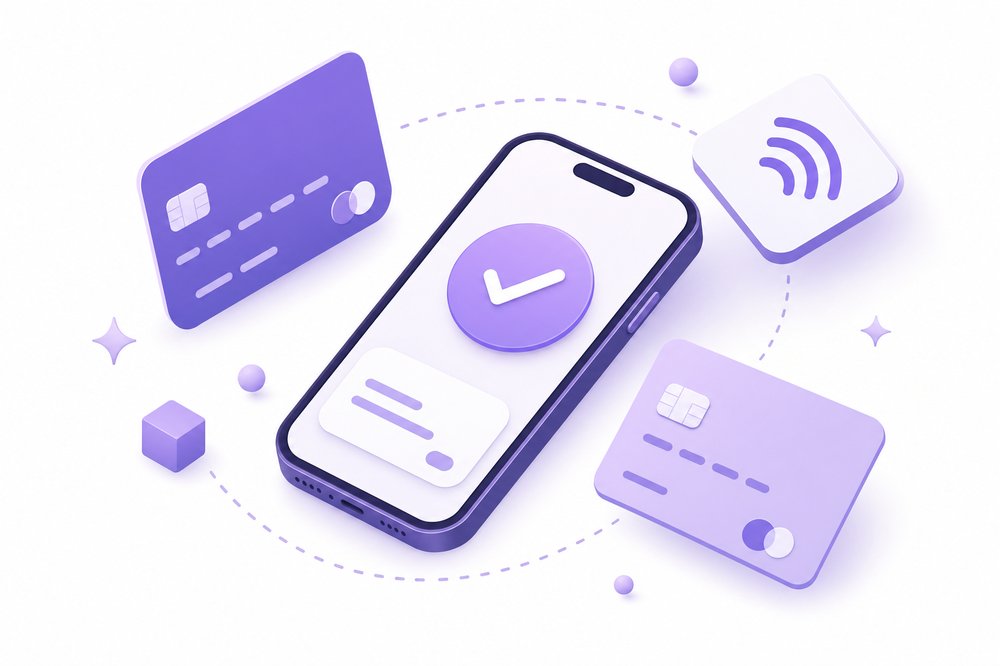
Shop Pay is not a third-party wallet bolted onto Shopify — it is Shopify's own accelerated checkout. Card data is tokenized at first use and never typed into individual merchants again, which both speeds up purchases and reduces the number of places your card sits on file.
Shop.app is designed to compress the entire shopping flow — discovery, checkout, tracking — into a single mobile experience.
Download Shop on iOS or Android, confirm your email, and add the card you'll use most often.
Browse the Shop feed, follow merchants, and pull tracked orders from any retailer into one place.
Use Shop Pay across thousands of Shopify stores — no card typing, no shipping forms.
Get real-time delivery updates, leave reviews, and reorder favorites from a single interface.
No app is perfect. Here are the strengths most reviewers highlight — and the friction points worth knowing before you commit.
17-minute read · independent · no affiliate links · last updated May 2026.
Open the deep dive →